OSMOSIS Memory Dumps
The main problem of memory dump analysis is the lack of consistent kernel virtual memory dumps saved on demand without system halt. LiveKd and Win32DD tools are physical memory dumpers only and do not save kernel memory dump files. These dumps are known to be inconsistent and I elaborated on different schemes to save memory consistently, for example, 1) to partition physical memory into 2 parts from OS boot time, 2) when memory snapshot is needed raise IRQL on all processors, 3) pump memory contents from one part to another (with compression if necessary, in such partition the reserved part of physical memory could be smaller), 4) lower IRQL on all processors to resume normal OS functions and 5) save consistent memory snapshot from reserved part of physical memory to a dump file in the background. The crucial feature of osmosis is its bipartite division and membrane. Hence the name of the project:
OSMOSIS
Optimally Saved Memory of System Internal State
Optimally Saved Memory (of) Operating System Internal State
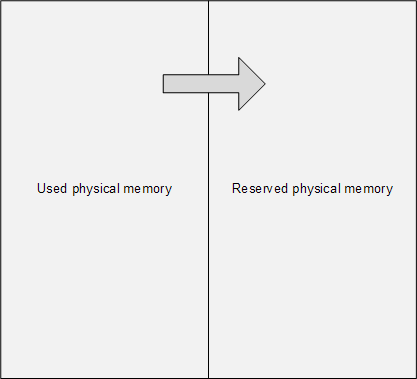
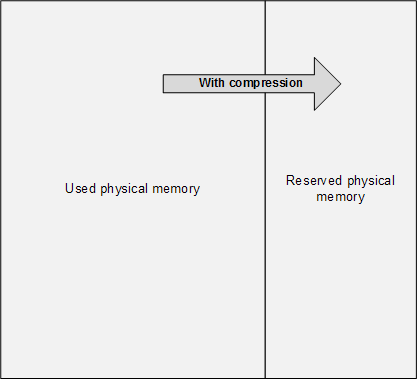
This is, of course, for OS running on physical machines, virtual machine case is much simpler in theory because we can freeze the whole VM or save its snapshot and later run an external tool or file converter on it.
- Dmitry Vostokov @ DumpAnalysis.org -
February 26th, 2009 at 12:57 pm
Hi Dmitry,
working in information forensics field, dumping a consistent memory image is a necessity: can you say me if your project osmosis is only a proof of concept and if it’ll be released soon?
Thank in advance,
Francesco